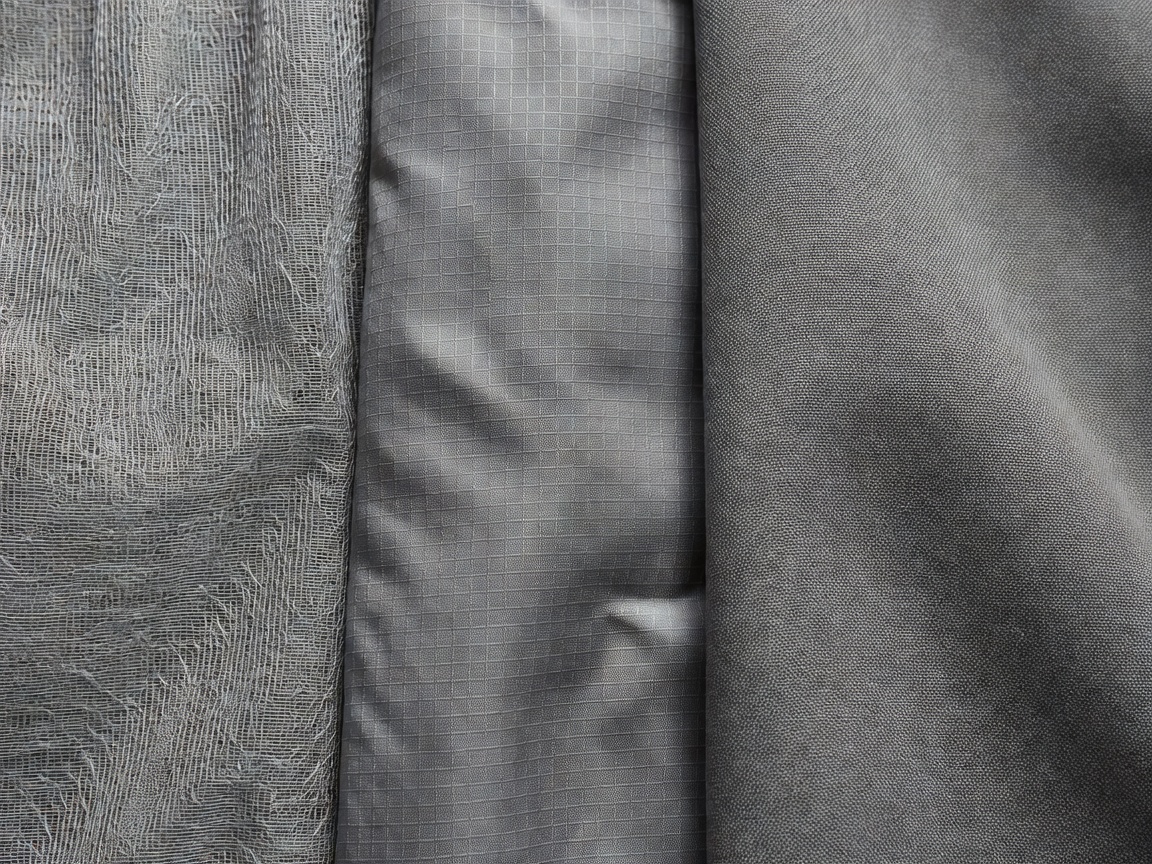
When shopping for packing cubes, the marketing terminology can be overwhelming. Brands will throw around terms like "Denier," "Ripstop," and "TPU Coating" to justify a premium price. Understanding what these materials actually do is the key to buying gear that survives a decade of travel rather than falling apart on its first trip.
Core Fabrics: Nylon vs. Polyester
The vast majority of packing cubes are constructed from either nylon or polyester. While they look similar at a glance, they perform differently under stress.
- Nylon: Generally stronger and more elastic than polyester. It has a higher strength-to-weight ratio, meaning a very thin nylon cube can hold just as much tension as a thicker polyester one. It is the preferred choice for premium and ultralight cubes.
- Polyester: Less expensive to produce and highly resistant to UV degradation (though this rarely matters inside a suitcase). It doesn't stretch, which can be a detriment if you tend to overstuff your cubes, putting more strain on the seams.
You will often see a number like "30D" or "400D" attached to the fabric description. Denier is a measure of fiber thickness. A 30D fabric is incredibly thin and translucent (often used in ultralight cubes), while a 400D fabric feels like a heavy backpack canvas. For packing cubes, anything between 40D and 210D hits the sweet spot of durability and light weight.
Mesh Panels: Breathability vs. Durability
Many traditional cubes feature a mesh top panel. This serves two purposes: it allows trapped air to escape when you zip it shut, and it allows you to see what is inside without opening the cube.
The drawback of mesh is durability. It catches on zippers, hairbrushes, and Velcro, leading to runs and tears. If you prefer mesh for visibility, look for "micro-mesh" or "monofilament mesh," which is woven much tighter and is significantly harder to snag.
| Material Feature | Pros | Cons |
|---|---|---|
| Mesh Tops | High visibility, allows air to vent | Prone to snagging and tearing |
| Ripstop Nylon (Grid) | Stops small tears from spreading | More expensive than standard flat weave |
| TPU Coating | Waterproof, easy to wipe clean | Traps odors, adds significant weight |
| Silicone Coating | Ultra-slippery for easy packing, water repellant | Cannot be machine washed with harsh detergents |
Zippers: The True Point of Failure
The fabric of a packing cube rarely fails first; the zipper does. Because travelers inherently want to squeeze as much as possible into a small space, the zippers endure massive lateral tension.
Look for branded zippers, specifically YKK. While non-branded zippers may work fine initially, they are prone to derailing under pressure. For packing cubes (especially compression cubes), coil zippers are superior to molded plastic (vislon) zippers. Coil zippers are flexible and can bend around the tight 90-degree corners of a cube much more smoothly without jamming.
Conclusion
You do not need military-grade canvas inside your suitcase. The ideal packing cube utilizes a lightweight (30D-210D) ripstop nylon, robust YKK coil zippers, and tightly woven micro-mesh. Understanding these components ensures you invest in travel organization that will outlast your luggage itself.