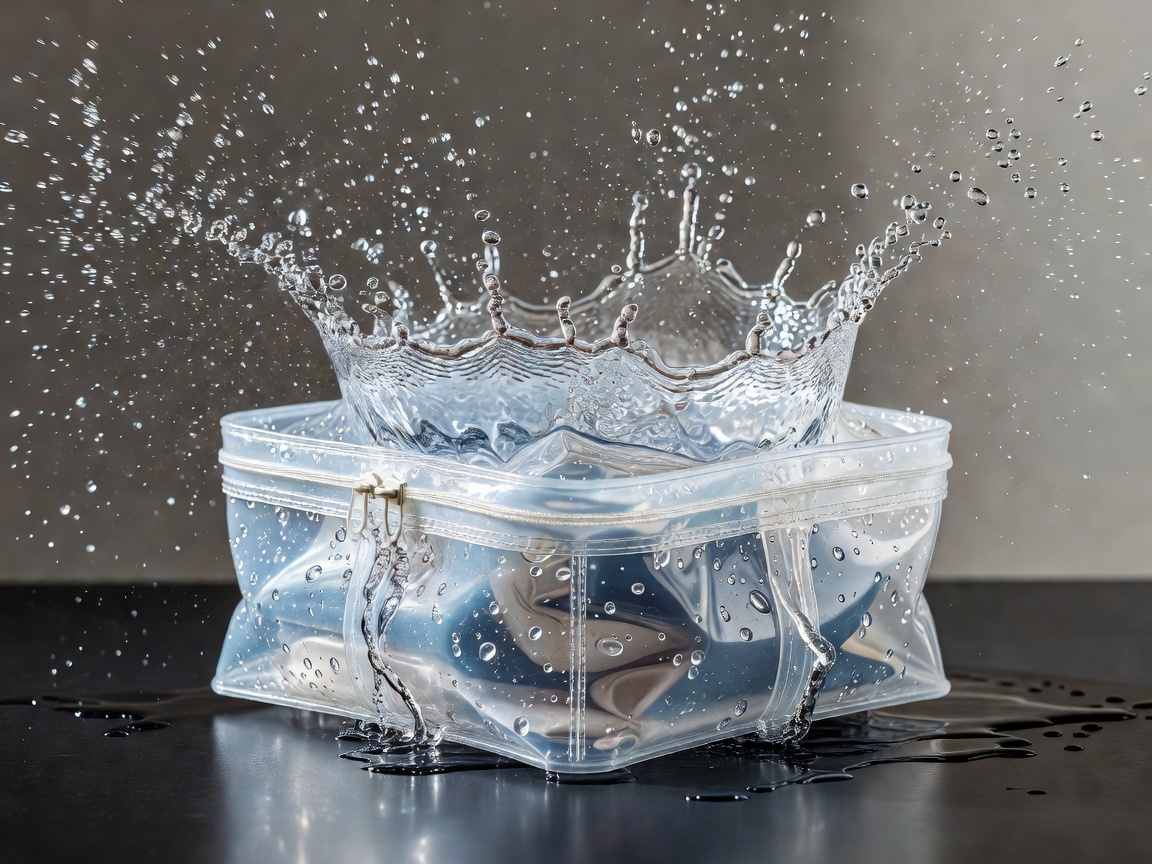
Traveling introduces a myriad of liquid threats to your clothing. From sudden torrential downpours while walking to your hostel, to the dreaded explosion of a shampoo bottle inside your toiletry kit, water and moisture can ruin a trip. Waterproof packing cubes serve as the ultimate insurance policy for your most critical gear.
Water-Resistant vs. Waterproof
In the world of outdoor gear and luggage, these two terms are frequently conflated by marketers, but they mean very different things.
- Water-Resistant: The fabric will shed light rain or splashes. If submerged, or if water is pressed into the fabric, it will soak through. Crucially, the zippers on these cubes are standard, meaning water can easily seep through the zipper teeth.
- Waterproof: The fabric is entirely impermeable to water (often via TPU coating). The seams are taped or welded so water cannot enter through the stitch holes. The closures are either roll-top dry-bag style, or they utilize specialized waterproof aquaguard zippers.
When to Use Waterproof Cubes
You do not need to convert your entire packing system to waterproof cubes. They are heavier, more expensive, and trap air inside (making them harder to pack). Instead, strategic use is recommended:
The Tech Cube: Cables, power banks, and backup hard drives should be stored in a waterproof cube. This isolates your expensive electronics from both weather and spills inside your own bag.
The Laundry / Swimwear Isolation Cube: Waterproofing works both ways. A waterproof cube is fantastic for storing a wet swimsuit after a morning dip when you have to catch a flight at noon. It locks the moisture in, preventing it from soaking the rest of your clean, dry clothes.
Benefits
- Absolute protection for sensitive electronics and documents.
- Contains wet or soiled clothing effectively.
- Protects against internal spills (e.g., toiletries).
- Often floats if dropped in water.
Drawbacks
- Traps air, creating a "balloon" effect inside luggage.
- If wet clothes are left inside too long, mold can develop rapidly.
- Heavier than mesh or standard nylon cubes.
- Waterproof zippers can be stiff and difficult to pull.
Roll-top vs. Zippered
True waterproof cubes generally rely on one of two closure systems. Roll-top closures are borrowed from kayaking dry bags. You fold the opening down three times and clip it shut. This is highly reliable, completely waterproof, and has no moving parts to break. However, it alters the shape of the cube, making it awkward to stack in a suitcase.
Zippered waterproof cubes retain their neat, rectangular shape, which is vastly superior for packing. They use polyurethane-coated zippers (often branded as YKK AquaGuard) that lock tightly together. While highly effective against rain and spills, they should not be completely submerged underwater, as hydrostatic pressure can eventually force water through the zipper teeth.
Conclusion
Investing in one or two waterproof packing cubes is a highly strategic move for any traveler. Use them to isolate the wet from the dry, or to protect your most valuable items from the unpredictable elements of travel.