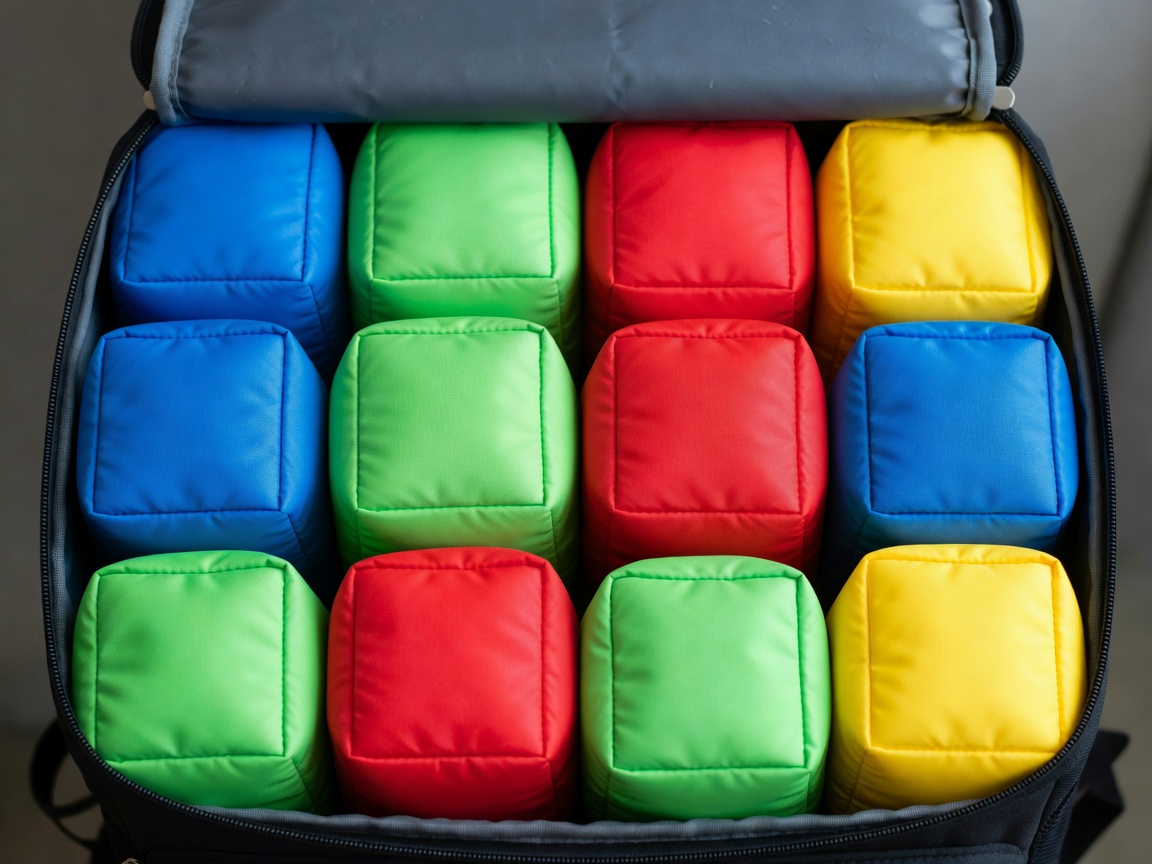
Most packing cubes are designed with traditional, hard-sided rolling suitcases in mind. They are wide, flat, and rectangular. When you try to shove these flat squares into a cylindrical, top-loading hiking backpack, you end up with massive gaps of wasted space and a frustrating packing experience. Backpacking requires a different approach to modular organization.
The Geometry of a Backpack
Unlike a suitcase that opens like a book (clamshell design), most trekking and travel backpacks are deeper than they are wide. To optimize this space, you need cubes that compliment the geometry of the bag.
Tube Cubes: Some manufacturers produce long, narrow "tube" cubes. These are perfect for rolling up underwear and socks, and sliding them down the vertical gaps alongside your larger items in the main compartment of a backpack.
Soft-Sided Flexibility: Avoid rigid or structured cubes with heavy piping around the edges. You want cubes made of thin, flexible materials (like silnylon) that can mold and contour against the curved inner walls of your backpack and against each other.
Top-Loading Accessibility
If you are using a top-loading backpack, everything goes in vertically. If you stack flat rectangular cubes horizontally, retrieving an item from the bottom cube requires unpacking the entire bag on the side of a trail.
Instead, pack your soft, flexible cubes vertically (standing them on their ends). This allows you to reach in from the top and slide out the exact cube you need without disturbing the others. Color-coding becomes incredibly useful here—if you know your rain gear is in the bright red cube, you can spot and grab it instantly from the top opening.
Strategic Packing for the Trail
Beyond just fitting the cubes in the bag, you must consider weight distribution, which is critical for comfort during long hikes.
- Bottom of the Pack (Light/Bulky): Use a large compression cube for your sleeping bag or heavy spare layers. This provides a stable base without pulling you backward.
- Middle of the Pack (Heavy): Keep your heaviest items (food, stove, dense clothing cube) close to your spine in the mid-section of the bag to maintain your center of gravity.
- Top of the Pack (Frequent Access): Use small, distinctively colored cubes for snacks, first aid, and rain layers, ensuring they are instantly accessible when the weather turns.
| Criteria | Suitcase Packing | Backpack Packing |
|---|---|---|
| Ideal Shape | Wide & Flat | Tubular & Contoured |
| Structure | Rigid / Piped Edges | Soft / Flexible |
| Accessibility | Clamshell (Full View) | Top-loading / Side Zip |
| Priority | Wrinkle Prevention | Weight Distribution & Space |
Conclusion
Backpacking with cubes requires abandoning the neat, flat aesthetic of suitcase packing. Embrace soft materials, tubular shapes, and vertical stacking to transform your top-loading bag from a black hole of gear into a highly organized trekking system.